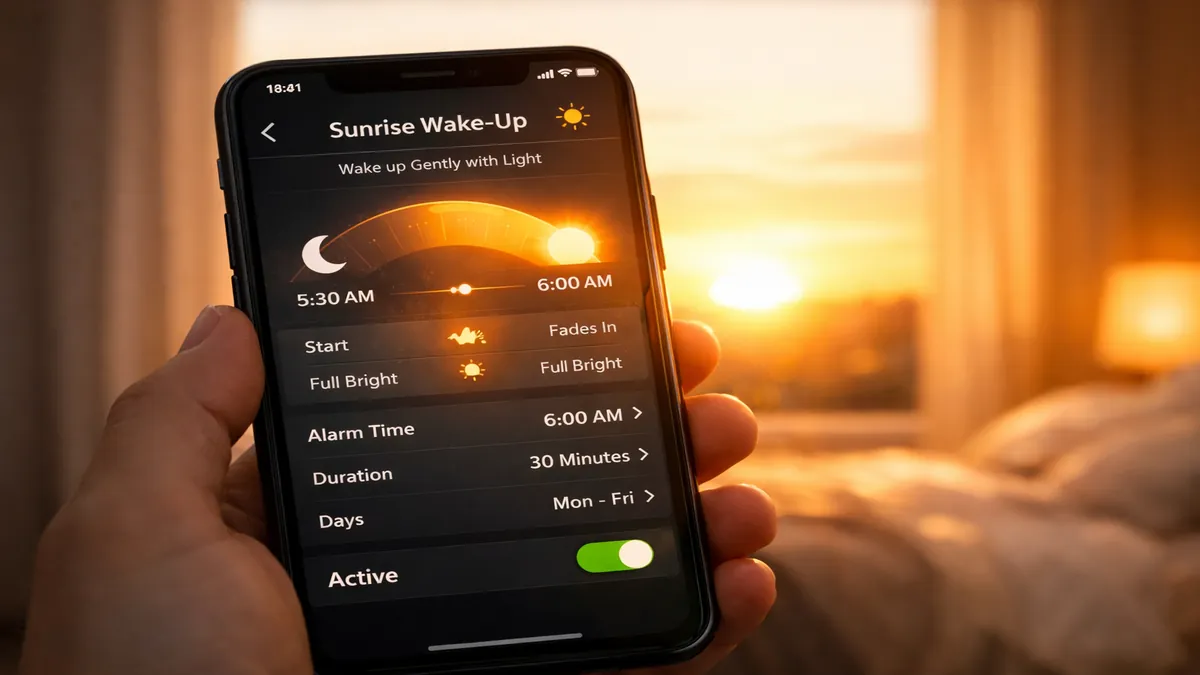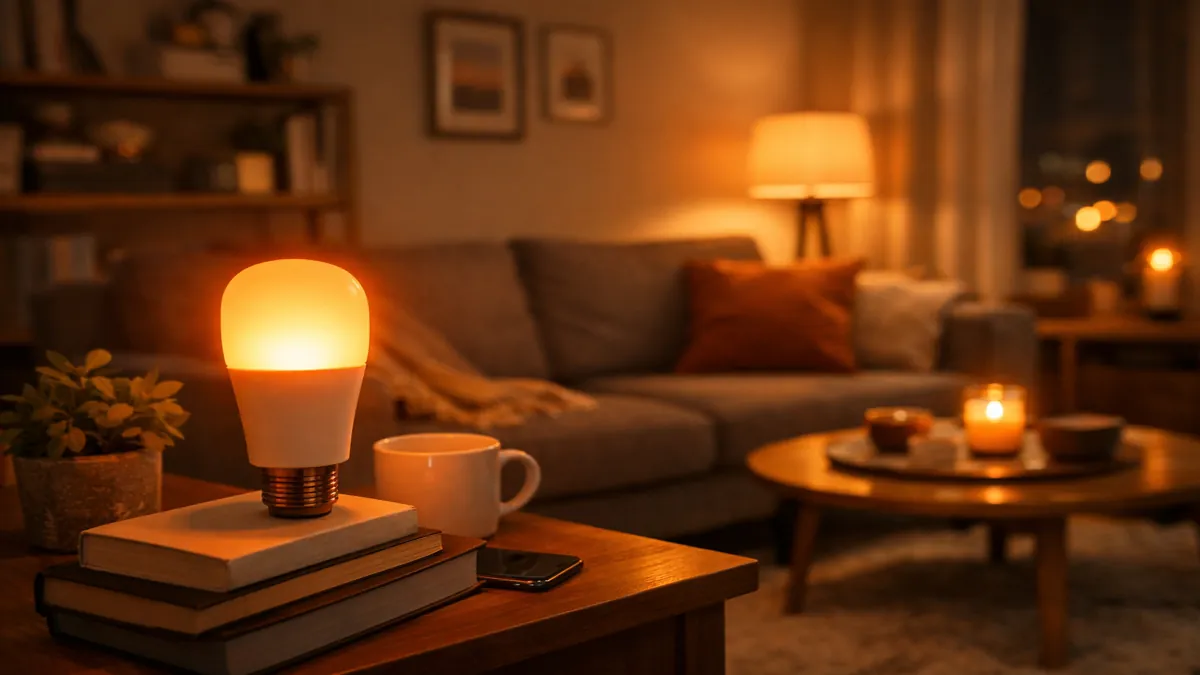
In 2026, smart lighting has transcended mere novelty to become a cornerstone of the modern smart home. No longer just about turning lights on and off with your voice, today's best smart bulbs offer an astonishing array of features: millions of colors, tunable whites, dynamic scenes, energy monitoring, and seamless integration with virtually every smart home ecosystem. They are not just light sources; they are intelligent devices that enhance ambiance, improve well-being, and contribute to significant energy savings. Whether you're looking to set the perfect mood for a movie night, wake up gently with a simulated sunrise, or simply cut down on your electricity bill, smart bulbs offer a versatile and impactful upgrade to any living space.
This comprehensive guide delves into the best smart bulbs of 2026, meticulously evaluating them on brightness, color accuracy, connectivity options, app functionality, ecosystem compatibility, and overall value. We've tested a wide range of bulbs from leading manufacturers, considering their performance for various applications, from accent lighting to whole-room illumination. Our aim is to help you navigate the diverse market and choose the smart bulbs that best illuminate your intelligent home.
The Brilliance of Smart Bulbs in 2026
The evolution of smart lighting has been rapid and impressive. Here's why smart bulbs are an essential component of any modern smart home:
- Personalized Ambiance: With millions of colors and a wide spectrum of white light (from warm to cool), smart bulbs allow you to customize the lighting to suit any mood, activity, or time of day. Create vibrant party scenes, calming reading environments, or focused workspaces with a tap or voice command.
- Energy Efficiency: Most smart bulbs are LED-based, making them significantly more energy-efficient and longer-lasting than traditional incandescent bulbs. Many also offer energy monitoring features, helping you track and reduce consumption.
- Automation and Convenience: Integrate smart bulbs into your smart home routines. Have lights turn on automatically when you arrive home, dim when you start a movie, or flash when your smart doorbell rings. Control them with voice commands, apps, or smart switches.
- Enhanced Security: Use smart bulbs to create a
"presence simulation" when you're away, making it appear as if someone is home, deterring potential intruders.
- Health and Well-being: Tunable white light can mimic natural daylight cycles, helping to regulate circadian rhythms, improve sleep quality, and boost alertness throughout the day.
Quick Picks: Top 3 Smart Bulbs
| Product | Best For | Score | Price Range |
|---|---|---|---|
| Philips Hue White and Color Ambiance | Premium Ecosystem & Features | 9.8/10 | Premium |
| LIFX A19 | Brightness & Vibrant Colors | 9.6/10 | Mid-Range |
| TP-Link Kasa Smart Wi-Fi LED Bulb | Affordable & Easy Setup | 9.3/10 | Budget |
Detailed Reviews: The 5 Best Smart Bulbs of 2026
1. Philips Hue White and Color Ambiance: The Gold Standard of Smart Lighting
Philips Hue has been the undisputed leader in smart lighting for years, and in 2026, their White and Color Ambiance bulbs continue to set the benchmark for features, reliability, and ecosystem integration. While often more expensive, the investment pays off in a seamless and feature-rich experience.
Ecosystem and Connectivity
The core of the Hue experience is the Hue Bridge (sold separately or in starter kits), which connects to your router and communicates with bulbs via Zigbee. This creates a robust mesh network that is highly reliable and responsive, even with dozens of bulbs. While some newer Hue bulbs offer Bluetooth for direct control, the Bridge unlocks the full suite of features, including advanced automations, remote access, and integration with virtually every major smart home platform (Apple HomeKit, Amazon Alexa, Google Home, SmartThings).
Light Quality and Features
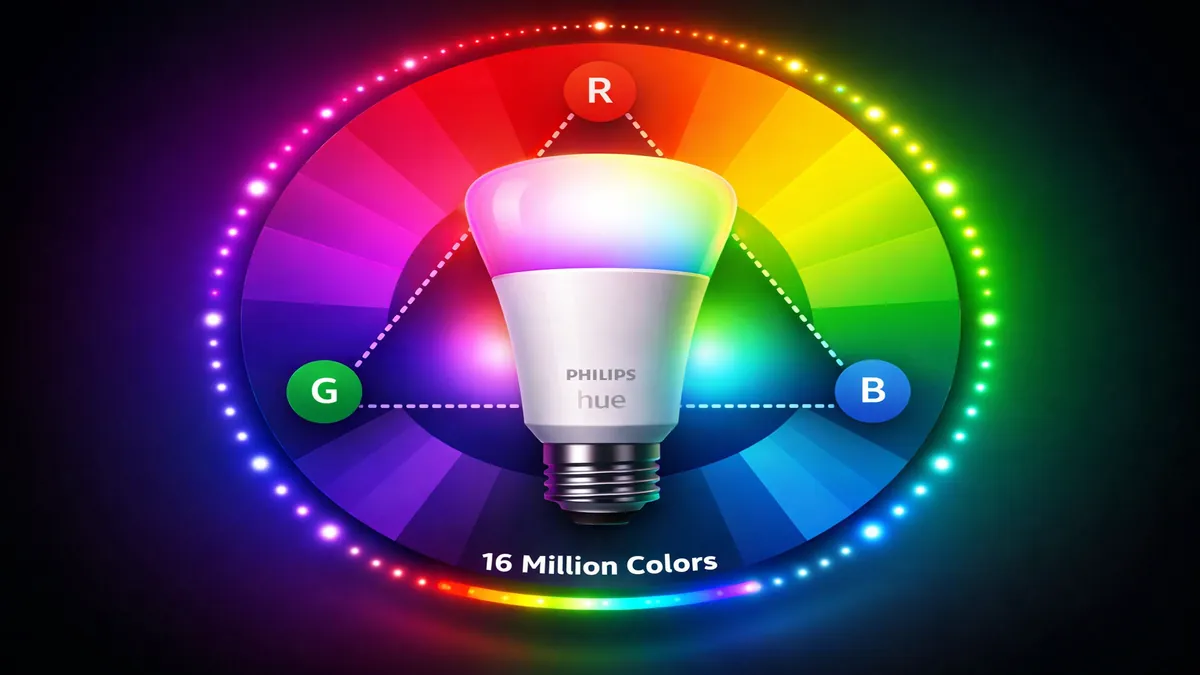
Hue White and Color Ambiance bulbs offer an impressive spectrum of 16 million colors and a wide range of tunable white light (from warm 2000K to cool 6500K). They are consistently bright (often 800-1100 lumens) and offer excellent color reproduction. The Hue app is intuitive and powerful, allowing for precise color selection, dynamic scenes, and sophisticated automations. Features like
"Hue Sync" (for syncing lights with movies, music, and games) further enhance the immersive experience.
Pros:
- Unmatched reliability and responsiveness via Zigbee mesh network.
- Vibrant colors and excellent tunable white light quality.
- Broadest smart home ecosystem compatibility.
- Feature-rich app with advanced automations and dynamic scenes.
Cons:
- Requires a separate Hue Bridge for full functionality.
- Higher price point per bulb.
Verdict: For those seeking the most comprehensive, reliable, and feature-rich smart lighting experience, the Philips Hue White and Color Ambiance system remains the gold standard in 2026. It's an investment that delivers unparalleled control and ambiance.
2. LIFX A19: Brightness and Vibrant Colors Without a Hub
LIFX bulbs have always stood out for their exceptional brightness and vibrant color reproduction, and in 2026, they continue to deliver a premium smart lighting experience without the need for a dedicated hub. They connect directly to your Wi-Fi network, simplifying setup for many users.
Brightness and Color Accuracy
LIFX A19 bulbs are renowned for their impressive brightness, often exceeding 1100 lumens, making them suitable for illuminating larger rooms. Their color reproduction is also top-tier, with deep, saturated hues that pop. They offer a wide range of tunable white light, allowing for precise control over color temperature.
Hub-Free Wi-Fi Connectivity
One of LIFX's key advantages is its direct Wi-Fi connectivity. This eliminates the need for a separate hub, making setup straightforward. The LIFX app is powerful and intuitive, offering advanced features like scene creation, effects (e.g., Candle Flicker, Strobe), and scheduling. LIFX bulbs also integrate with major smart home platforms like Apple HomeKit, Amazon Alexa, and Google Home.
Pros:
- Exceptional brightness and vibrant color reproduction.
- No hub required (connects directly to Wi-Fi).
- Feature-rich app with unique effects.
- Good compatibility with major smart home ecosystems.
Cons:
- Can sometimes be less responsive than Zigbee bulbs due to Wi-Fi congestion.
- Higher power consumption than some Zigbee alternatives.
- Can be more expensive than budget Wi-Fi bulbs.
Verdict: For users who prioritize maximum brightness and vivid colors, and prefer a hub-free setup, the LIFX A19 bulbs are an excellent choice. They offer a premium smart lighting experience with simplified connectivity.
3. Govee Smart Light Bulbs: Dynamic Effects and Budget-Friendly Fun
Govee has rapidly become a popular brand in the smart lighting space, known for its innovative dynamic lighting effects and highly affordable products. In 2026, Govee smart bulbs offer a fun and feature-rich experience, particularly for those who enjoy creative lighting.
Dynamic Lighting Effects and Music Sync
What sets Govee apart is its extensive library of dynamic lighting effects and its impressive music synchronization capabilities. The Govee Home app offers hundreds of preset scenes, from calming nature themes to energetic party modes. Many bulbs include built-in microphones for real-time music sync, making them perfect for entertainment setups. The colors are vibrant, and the tunable white range is comprehensive.
Bluetooth and Wi-Fi Connectivity
Govee bulbs typically offer dual Bluetooth and Wi-Fi connectivity. Bluetooth allows for quick, local control, while Wi-Fi enables remote access and integration with Amazon Alexa and Google Home. While they don't support Zigbee or HomeKit, their native app provides a wealth of features that often compensate.
Pros:
- Extensive library of dynamic lighting effects and music sync.
- Very affordable price point.
- Vibrant colors and good tunable white range.
- Dual Bluetooth and Wi-Fi connectivity.
Cons:
- No HomeKit or Zigbee support.
- App can feel a bit overwhelming due to the sheer number of features.
- Not as bright as some premium alternatives.
Verdict: For budget-conscious users who want to add a touch of dynamic, creative lighting to their home, the Govee Smart Light Bulbs are an excellent choice. They offer a fun and feature-packed experience at an unbeatable price.
4. Nanoleaf Essentials A19: Thread-Enabled for Future-Proofing
Nanoleaf, known for its innovative modular light panels, has brought its expertise to traditional bulb form factors with the Essentials A19. These bulbs are notable for their early adoption of Thread technology, making them a future-proof choice for the evolving smart home landscape in 2026.
Thread Connectivity and Matter Compatibility
One of the most significant features of Nanoleaf Essentials bulbs is their support for Thread, a low-power mesh networking protocol that offers improved reliability and responsiveness compared to Bluetooth or Wi-Fi. When paired with a Thread Border Router (like an Apple HomePod Mini or Google Nest Hub), these bulbs become incredibly fast and stable. They are also among the first to be fully compatible with Matter, the new universal smart home standard, ensuring broad interoperability in the future.
Circadian Lighting and Quality
Nanoleaf Essentials bulbs offer excellent tunable white light, with a focus on circadian lighting features that automatically adjust color temperature throughout the day to mimic natural sunlight. This can help improve sleep, mood, and productivity. The colors are accurate and vibrant, and the bulbs are generally bright enough for most applications.
Pros:
- Future-proof with Thread and Matter compatibility.
- Excellent circadian lighting features.
- Vibrant colors and accurate tunable whites.
- Seamless integration with Apple HomeKit and Google Home.
Cons:
- Requires a Thread Border Router for optimal performance.
- Not as bright as LIFX bulbs.
- Can be more expensive than basic Wi-Fi bulbs.
Verdict: For users who want to invest in the future of smart lighting with Thread and Matter compatibility, and appreciate circadian lighting features, the Nanoleaf Essentials A19 bulbs are a forward-thinking and high-quality choice.
5. TP-Link Kasa Smart Wi-Fi LED Bulb: Simple, Reliable, and Affordable
TP-Link's Kasa Smart line has consistently delivered reliable and user-friendly smart home devices, and their Wi-Fi LED bulbs are no exception. In 2026, they remain a top choice for their simplicity, affordability, and solid performance without the need for a hub.
Easy Setup and Reliable Wi-Fi
Kasa bulbs connect directly to your home Wi-Fi network, making setup incredibly straightforward through the intuitive Kasa Smart app. The connection is generally stable and responsive, allowing for quick control and reliable scheduling. The app offers all the essential features, including dimming, color changing (for color models), scene creation, and scheduling.
Good Brightness and Color Options
Kasa offers a range of bulbs, including dimmable white, tunable white, and full-color options. The brightness levels are generally good for everyday use, and the color reproduction is decent for the price point. They integrate seamlessly with Amazon Alexa and Google Home, allowing for convenient voice control.
Pros:
- Very affordable and excellent value.
- Easy, hub-free Wi-Fi setup.
- Reliable performance and responsive app.
- Good brightness and color options for the price.
Cons:
- No Zigbee or HomeKit support.
- Color accuracy and vibrancy are not as premium as Hue or LIFX.
- Limited advanced dynamic effects.
Verdict: For users who want a simple, reliable, and affordable entry into smart lighting without the complexity of a hub, the TP-Link Kasa Smart Wi-Fi LED Bulbs are an excellent choice. They provide all the essential smart lighting features with minimal fuss.
How We Test Smart Bulbs
Our testing methodology for smart bulbs goes beyond simply turning them on and off. We rigorously evaluate their performance across key metrics that impact user experience and energy efficiency.
1. Brightness and Light Quality
We measure the actual lumen output of each bulb and compare it to the manufacturer's claims. We also assess the quality of the white light (color temperature range and accuracy) and the vibrancy and saturation of colors (for color-changing bulbs) using a colorimeter.
2. Connectivity and Responsiveness
We test the stability and responsiveness of each bulb's connection (Wi-Fi, Zigbee, Thread, Bluetooth) under various network conditions. We measure the latency between issuing a command (via app or voice) and the bulb's response. We also evaluate the ease of initial pairing and reconnection.
3. App Functionality and Ecosystem Integration
We thoroughly explore the companion app for each bulb, assessing its intuitiveness, feature set (scenes, schedules, effects, energy monitoring), and ease of use. We also test integration with major smart home platforms like Amazon Alexa, Google Home, and Apple HomeKit, evaluating voice control accuracy and reliability.
4. Energy Efficiency and Longevity
We monitor the power consumption of each bulb in various states (on, off, dimmed) to assess its energy efficiency. While long-term longevity is hard to test directly, we consider manufacturer claims and build quality.
5. Color Accuracy and Consistency
For color-changing bulbs, we test the accuracy of specific colors (e.g., red, green, blue) and the consistency of color reproduction across multiple bulbs of the same model.
Smart Bulb Buying Guide: What to Look For in 2026
Choosing the best smart bulbs involves considering your existing smart home setup, desired features, and budget:
Connectivity Type: Hub Required vs. Hub-Free
- Hub Required (e.g., Philips Hue): Often uses Zigbee, offering greater reliability, responsiveness, and mesh networking benefits. Ideal for larger smart homes.
- Hub-Free (e.g., LIFX, Kasa): Connects directly to Wi-Fi or Bluetooth, simplifying setup. Good for smaller setups or individual bulbs.
- Thread Enabled (e.g., Nanoleaf Essentials): The future of smart home connectivity, offering excellent reliability and Matter compatibility, but requires a Thread Border Router.
Brightness (Lumens)
Consider the lumen output. For general room lighting, 800-1100 lumens (equivalent to a 60-75W incandescent) is a good starting point. For accent lighting, lower lumens may suffice.
Color vs. Tunable White
- Color-Changing (RGBW): Offers 16 million colors and tunable whites. Most versatile for ambiance and dynamic scenes.
- Tunable White: Allows you to adjust the color temperature from warm (yellowish) to cool (bluish) white. Great for adjusting mood and supporting circadian rhythms.
- Dimmable White: Basic smart bulb that only dims a fixed white color. Most affordable.
Ecosystem Compatibility
Ensure the bulbs are compatible with your preferred smart home ecosystem (Alexa, Google Home, HomeKit) and any existing hubs you might have.
Features
Look for features like music sync, circadian lighting, energy monitoring, and advanced scene creation if those are important to you.
Frequently Asked Questions (FAQ)
Q: Can smart bulbs work without Wi-Fi?
A: Some smart bulbs offer Bluetooth connectivity, allowing for local control without Wi-Fi or a hub. However, most advanced features, remote access, and smart home integrations require a Wi-Fi connection or a hub connected to your network.
Q: Do smart bulbs use a lot of electricity?
A: No, smart bulbs are typically LED-based, making them very energy-efficient. They consume significantly less power than traditional incandescent bulbs and often have a longer lifespan.
Q: What is Matter compatibility?
A: Matter is a new, open-source connectivity standard designed to make smart home devices more interoperable, reliable, and secure across different ecosystems. Matter-compatible bulbs will work seamlessly with any Matter-certified hub or controller.
Q: Can I use smart bulbs in any lamp?
A: Yes, as long as the bulb's base (e.g., E26, E27, GU10) matches your lamp's socket. However, avoid using smart bulbs with dimmer switches, as this can interfere with their internal electronics and cause flickering or damage. Use the smart bulb's app or voice control for dimming.
Final Thoughts
In 2026, smart bulbs are an indispensable component of any intelligent home, offering a blend of convenience, energy efficiency, and personalized ambiance that traditional lighting simply cannot match. Whether you opt for the robust ecosystem of Philips Hue, the vibrant brightness of LIFX, or the budget-friendly fun of Govee, there's a smart bulb solution for every need and preference. By carefully considering your connectivity requirements, desired features, and existing smart home setup, you can illuminate your living space with intelligence, efficiency, and a touch of personal flair. Upgrade your lighting, and transform your home.
Affiliate Disclosure: ATechGuides is supported by its audience. When you purchase through links on our site, we may earn an affiliate commission. All products are independently selected and tested by our editors.