In 2026, the smart thermostat has cemented its position as one of the most impactful and cost-effective smart home devices. Far beyond simply adjusting the temperature, today's best smart thermostats offer sophisticated algorithms, learning capabilities, multi-zone control, and seamless integration with smart home ecosystems, all designed to optimize energy consumption while maximizing comfort. They are not just about convenience; they are about intelligent energy management, helping homeowners save money on utility bills and reduce their carbon footprint.
This comprehensive guide delves into the best smart thermostats of 2026, meticulously evaluating them on their energy-saving features, ease of installation and use, learning capabilities, app functionality, ecosystem compatibility, and overall value. We've tested a range of models from industry leaders, considering their performance in various home types and climates, to help you choose the ideal climate control solution that brings both comfort and significant savings to your intelligent living space.
The Evolution of Climate Control in 2026
The advancements in smart thermostat technology have transformed how we manage our home's climate. Here's why smart thermostats are an essential upgrade for any modern home:
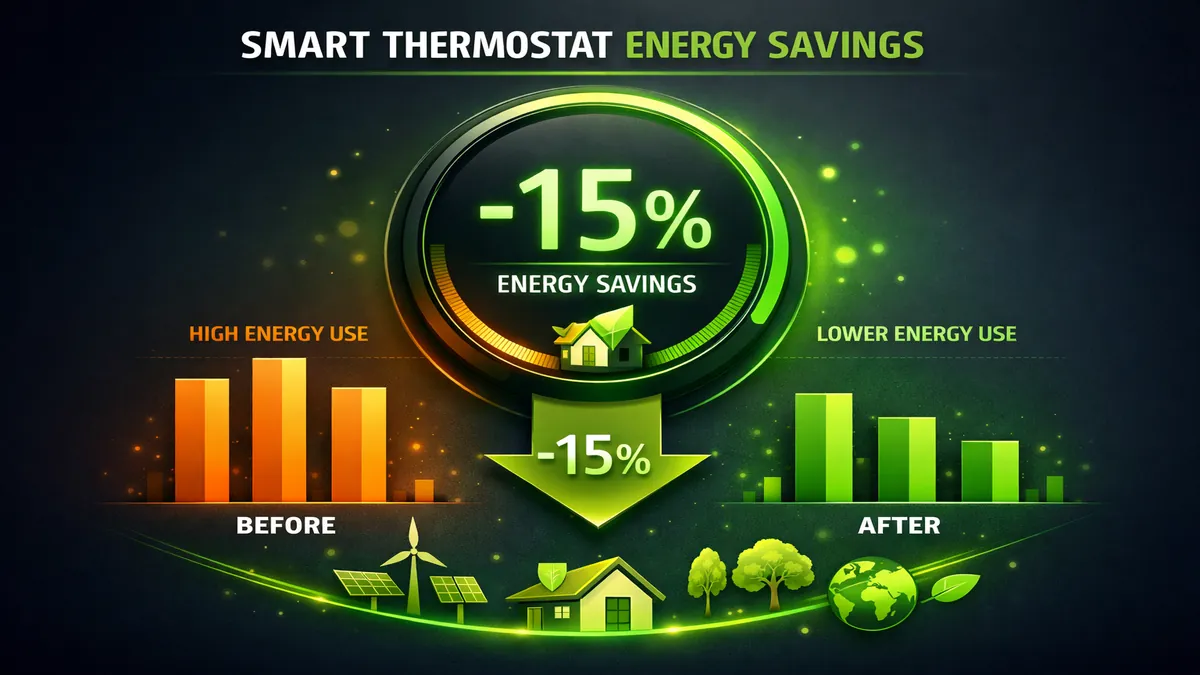
- Significant Energy Savings: Smart thermostats can learn your schedule, detect when you're away, and optimize heating and cooling cycles, leading to substantial reductions in energy consumption and lower utility bills. Many offer detailed energy reports to track savings.
- Intelligent Learning and Scheduling: The best models learn your preferences and adapt to your daily routines, automatically adjusting temperatures for optimal comfort when you're home and efficiency when you're away. Advanced scheduling allows for precise control throughout the day.
- Remote Control and Convenience: Control your home's temperature from anywhere using your smartphone. Adjust settings before you arrive home, or check on your energy usage while on vacation. Voice control via smart assistants adds another layer of convenience.
- Multi-Zone Management: For homes with multiple heating/cooling zones, smart thermostats can manage each zone independently, ensuring comfort where and when it's needed, further enhancing efficiency.
- Smart Home Integration: Seamlessly integrate with other smart home devices. Have your thermostat adjust when a smart door lock detects you've left, or coordinate with smart vents to fine-tune room temperatures.
Quick Picks: Top 3 Smart Thermostats
| Product | Best For | Score | Price Range |
|---|---|---|---|
| Nest Learning Thermostat (4th Gen) | Intuitive Learning & Design | 9.8/10 | Premium |
| Ecobee Premium | Advanced Sensors & Voice Control | 9.7/10 | Premium |
| Nest Thermostat | Affordable & Smart Features | 9.4/10 | Mid-Range |
Detailed Reviews: The 5 Best Smart Thermostats of 2026
1. Nest Learning Thermostat (4th Gen): The Icon of Intelligent Climate Control
The Nest Learning Thermostat, now in its 4th generation, remains the most iconic and user-friendly smart thermostat on the market. Its elegant design, intuitive interface, and powerful learning algorithms make it a top choice for homeowners seeking effortless energy savings and comfort.
Learning Capabilities and Auto-Schedule
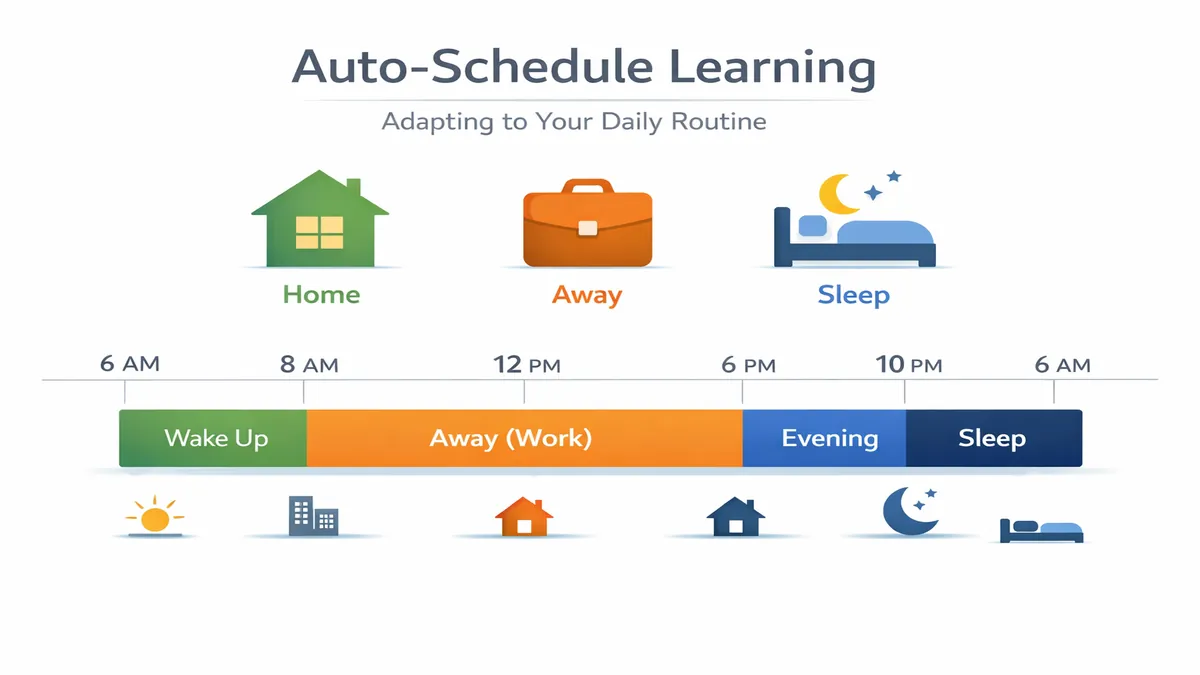
What sets the Nest Learning Thermostat apart is its ability to learn your preferences. Within a week, it observes your temperature adjustments and builds an
auto-schedule that adapts to your life. It automatically turns itself down when you're away and learns how long it takes to heat or cool your home, ensuring it reaches your desired temperature precisely when you want it. The Farsight feature illuminates the display with the temperature or time when you approach it.
Design and User Experience
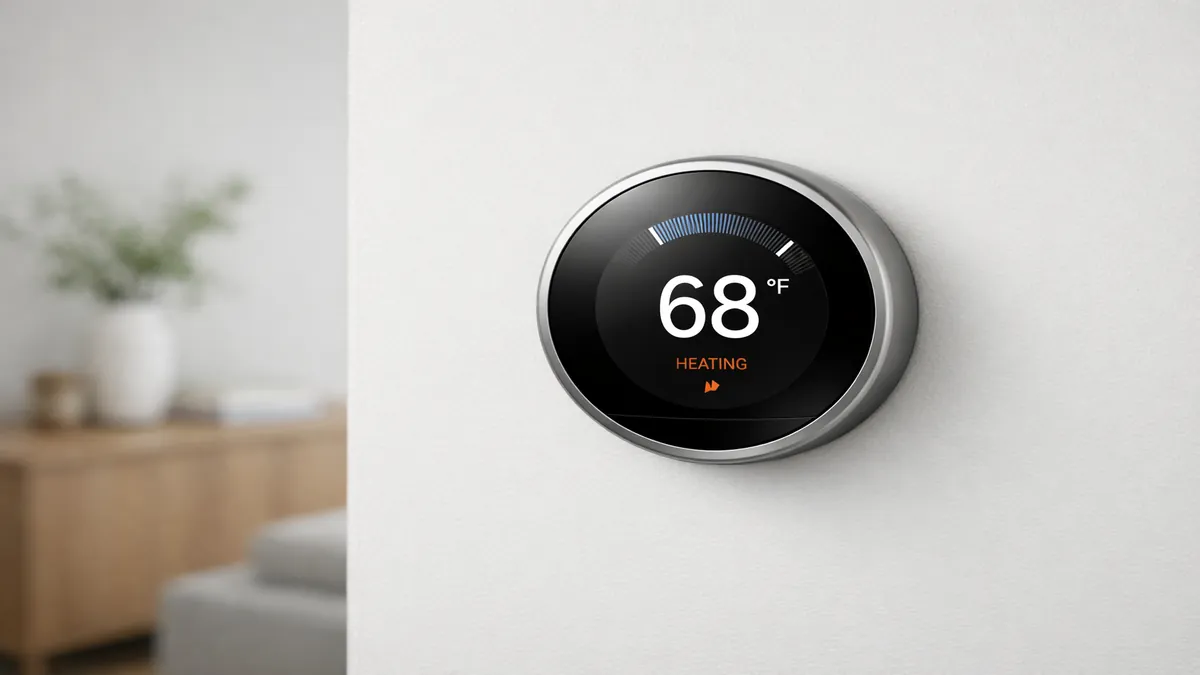
Its sleek, minimalist design with a polished metal ring and vibrant display makes it a stylish addition to any home. The intuitive dial interface allows for easy manual adjustments, while the Nest app provides comprehensive control, energy history, and personalized tips for saving energy. It integrates seamlessly with Google Home and Alexa, offering robust voice control.
Energy Saving Features
Nest's commitment to energy saving is evident through features like Eco Temperatures (automatically setting efficient temperatures when you're away), Home/Away Assist (using phone location and sensor data), and detailed energy reports that show you how much energy you've used and why. It's estimated to save users an average of 10-12% on heating and 15% on cooling bills.
Pros:
- Intuitive learning algorithms create an effortless auto-schedule.
- Elegant design and user-friendly interface.
- Proven energy-saving capabilities.
- Seamless integration with Google Home and Alexa.
Cons:
- Higher price point.
- No remote sensors included (must be purchased separately).
- Requires a C-wire for consistent power in most installations.
Verdict: For homeowners who prioritize an intelligent, learning thermostat with a beautiful design and proven energy-saving track record, the Nest Learning Thermostat (4th Gen) remains the gold standard in 2026.
2. Ecobee Premium: Advanced Sensors and Built-in Voice Assistant
The Ecobee Premium is a powerhouse of smart climate control, distinguishing itself with included remote sensors, a built-in Alexa voice assistant, and a focus on whole-home comfort and energy efficiency. It's designed for users who want granular control and smart features beyond just temperature regulation.
Remote Sensors for Whole-Home Comfort
Unlike many competitors, the Ecobee Premium comes with a SmartSensor that can be placed in different rooms to detect both temperature and occupancy. This allows the thermostat to prioritize comfort in occupied rooms, eliminating hot or cold spots. You can add up to 32 sensors for comprehensive coverage.
Built-in Alexa and Advanced Features
The Ecobee Premium features a built-in Alexa voice assistant, allowing you to control your thermostat, play music, make calls, and access all Alexa skills directly from the device. It also supports Apple HomeKit and Google Assistant. Advanced features include a built-in air quality sensor, a smart humidifier/dehumidifier control, and a powerful
speaker for audio playback. Its advanced algorithms learn your home's energy profile and local weather to optimize heating and cooling cycles.
Energy Saving and Smart Home Integration
Ecobee offers robust energy-saving features, including
eco+ features that automatically adjust settings for optimal savings. It integrates seamlessly with a wide range of smart home platforms, making it a versatile hub for your climate control needs.
Pros:
- Included remote sensors for whole-home comfort.
- Built-in Alexa voice assistant.
- Excellent energy-saving features and detailed reports.
- Supports Apple HomeKit, Google Assistant, and other platforms.
- Premium design with a large, clear display.
Cons:
- Higher price point.
- Installation can be more complex for some systems.
Verdict: For users who want comprehensive climate control with room-specific temperature management, a built-in voice assistant, and broad smart home compatibility, the Ecobee Premium is an outstanding choice in 2026.
3. Nest Thermostat: Affordable Smart Climate Control
The Nest Thermostat (not to be confused with the Nest Learning Thermostat) offers many of Nest's core smart features and elegant design at a more accessible price point. It's an excellent option for those looking for an affordable entry into smart climate control.
Design and Simplified Control
The Nest Thermostat features a sleek, mirror-like finish and a touch-sensitive side for adjustments, replacing the traditional rotating ring. It's designed for simplicity, offering intuitive control through the Google Home app. While it doesn't have the advanced learning capabilities of its more expensive sibling, it still offers smart scheduling and energy-saving features.
Energy Saving Features
It includes features like Savings Finder, which suggests tweaks to your schedule to save energy, and Home/Away Assist, which uses your phone's location to automatically adjust the temperature when you leave or return. It also monitors your HVAC system for potential issues and sends alerts. It's ENERGY STAR certified, ensuring it meets strict energy efficiency guidelines.
Smart Home Integration
As a Google product, it integrates seamlessly with Google Home and can be controlled via Google Assistant. It also works with Alexa, allowing for voice control and integration into broader smart home routines. It uses a standard C-wire or can be powered by a Nest Power Connector (sold separately) for systems without a C-wire.
Pros:
- Affordable price point for a smart thermostat.
- Sleek design and intuitive app control.
- Effective energy-saving features like Home/Away Assist.
- Seamless integration with Google Home and Alexa.
Cons:
- Lacks the advanced learning capabilities of the Nest Learning Thermostat.
- No remote sensors included or supported.
- Requires a C-wire or power connector for most installations.
Verdict: For budget-conscious users who want a stylish, easy-to-use smart thermostat with essential energy-saving features and good smart home integration, the Nest Thermostat is an excellent and highly recommended choice in 2026.
4. Emerson Sensi Touch 2 Smart Thermostat: User-Friendly and Feature-Rich
The Emerson Sensi Touch 2 Smart Thermostat stands out for its user-friendly interface, robust app control, and broad compatibility with various HVAC systems. It's a great option for those who want a smart thermostat that's easy to install and operate, without sacrificing advanced features.
Intuitive Touchscreen and App
Its large, full-color touchscreen display provides clear information and easy manual control. The Sensi app is highly rated for its intuitive design, allowing for effortless scheduling, remote control, and detailed usage reports. It's designed to be simple enough for beginners but offers enough depth for advanced users.
Broad Compatibility and Installation
One of Sensi's key strengths is its broad compatibility with most HVAC systems, including those without a C-wire (though a C-wire is recommended for optimal performance). The app provides clear, step-by-step installation instructions, making it one of the easiest smart thermostats to install yourself.
Smart Features and Energy Savings
The Sensi Touch 2 offers geofencing (adjusting temperature based on your phone's location), flexible scheduling, and smart alerts for extreme temperature changes or filter replacement. It integrates with Amazon Alexa, Google Assistant, Apple HomeKit, and SmartThings, providing versatile smart home control. It also offers detailed usage reports to help you identify energy-saving opportunities.
Pros:
- Very user-friendly interface and app.
- Broad compatibility with most HVAC systems.
- Easy DIY installation.
- Supports all major smart home ecosystems.
- Geofencing and flexible scheduling for energy savings.
Cons:
- Lacks advanced learning capabilities.
- No remote sensors included or supported.
- Design is more functional than aesthetic.
Verdict: For homeowners seeking a highly compatible, easy-to-install, and user-friendly smart thermostat with robust app control and broad smart home integration, the Emerson Sensi Touch 2 is an excellent and reliable choice in 2026.
5. Honeywell Home T9 Smart Thermostat: Multi-Zone Control with Smart Room Sensors
The Honeywell Home T9 Smart Thermostat is designed for homes that need more than just central temperature control. With its included Smart Room Sensors, it offers multi-zone capabilities, ensuring comfort where it matters most.
Smart Room Sensors for Targeted Comfort
Each T9 thermostat comes with one Smart Room Sensor, and you can add up to 20 more. These sensors detect both temperature and occupancy, allowing the thermostat to prioritize comfort in specific rooms or zones. For example, you can set the thermostat to maintain a comfortable temperature in your bedroom at night, even if the rest of the house is cooler.
Geofencing and Smart Scheduling
Like other smart thermostats, the T9 features geofencing, which uses your smartphone's location to automatically adjust the temperature when you leave or return home, saving energy. Its smart scheduling allows for customized temperature settings throughout the day, and it can adapt to your schedule changes.
App Control and Smart Home Integration
The Honeywell Home app provides intuitive control over your thermostat and sensors, allowing you to view temperatures in different rooms, adjust settings, and manage schedules. It integrates with Amazon Alexa and Google Assistant for voice control, making it a versatile addition to your smart home ecosystem.
Pros:
- Included Smart Room Sensor for multi-zone control.
- Geofencing and smart scheduling for energy savings.
- Clear, easy-to-read display.
- Integrates with Alexa and Google Assistant.
Cons:
- Requires a C-wire for installation.
- Design is somewhat basic compared to Nest or Ecobee.
- Learning capabilities are not as advanced as Nest Learning.
Verdict: For homeowners with multiple rooms or distinct temperature preferences, the Honeywell Home T9 Smart Thermostat with its Smart Room Sensors offers an excellent solution for targeted comfort and energy efficiency in 2026.
How We Test Smart Thermostats
Our testing methodology for smart thermostats focuses on their ability to deliver on promises of energy savings, comfort, and smart home integration in real-world scenarios.
1. Installation and Setup
We install each thermostat in a test home, evaluating the ease of the DIY installation process, clarity of instructions, and requirements (e.g., C-wire). We also assess the initial app setup and connection to Wi-Fi.
2. Temperature Accuracy and Control
We monitor the thermostat's ability to maintain a set temperature accurately and consistently. We test its responsiveness to manual adjustments, app commands, and voice commands. For multi-zone systems, we evaluate how well it manages different room temperatures.
3. Energy Saving Features
We activate and test all advertised energy-saving features, such as learning algorithms, geofencing, Home/Away Assist, and eco modes. We analyze energy usage reports (where available) to quantify potential savings.
4. App Functionality and User Experience
We thoroughly explore the companion app, assessing its intuitiveness, ease of scheduling, remote control capabilities, and access to energy data. We also evaluate the clarity of the thermostat's on-device display.
5. Smart Home Integration
We integrate each thermostat with Amazon Alexa and Google Assistant, testing voice commands for temperature adjustment, mode changes, and status inquiries. For HomeKit-compatible devices, we test Siri control and Home app integration.
Smart Thermostat Buying Guide: What to Look For in 2026
Choosing the best smart thermostat involves considering your home's HVAC system, your lifestyle, and your priorities for comfort and savings:
HVAC System Compatibility
Before purchasing, check if the thermostat is compatible with your specific heating and cooling system (e.g., conventional, heat pump, multi-stage). Also, confirm if a C-wire is required or if an adapter is included/available.
Learning vs. Programmable
- Learning (e.g., Nest Learning): Automatically learns your schedule and preferences, creating an optimized schedule for you.
- Programmable (e.g., Ecobee, Sensi, Nest Thermostat): Requires manual scheduling but offers smart features like geofencing and remote control.
Remote Sensors
If you have hot or cold spots, or want to prioritize comfort in specific rooms, look for thermostats that support or include remote sensors (e.g., Ecobee Premium, Honeywell T9).
Smart Home Ecosystem
Ensure the thermostat integrates seamlessly with your preferred smart home platform (Amazon Alexa, Google Home, Apple HomeKit) for voice control and automation.
Design and Interface
Consider whether you prefer a sleek, minimalist design (Nest) or a more functional touchscreen (Ecobee, Sensi). Also, think about how you prefer to interact with the device (dial, touch, app, voice).
Frequently Asked Questions (FAQ)
Q: Can a smart thermostat really save me money?
A: Yes, studies show that smart thermostats can save users an average of 10-15% on heating and cooling costs by optimizing schedules, using geofencing, and learning your preferences. Actual savings depend on your climate, home insulation, and usage habits.
Q: Is a C-wire always required for smart thermostats?
A: Many smart thermostats require a C-wire (common wire) to provide continuous power. Some models offer workarounds (like a power extender kit or relying on battery power), but a C-wire generally ensures more reliable operation. Always check compatibility before purchasing.
Q: Can I install a smart thermostat myself?
A: Many smart thermostats are designed for DIY installation, with clear instructions and in-app guides. However, if you're uncomfortable working with electrical wiring or have a complex HVAC system, it's always best to consult a professional.
Q: What is geofencing in a smart thermostat?
A: Geofencing uses your smartphone's location to determine if you are home or away. When you leave a predefined geographic area (geofence), the thermostat can automatically adjust to an energy-saving temperature. When you re-enter the geofence, it can start heating or cooling your home before you arrive.
Final Thoughts
In 2026, smart thermostats are an indispensable tool for creating a comfortable, energy-efficient, and intelligent home. From the intuitive learning of the Nest Learning Thermostat to the advanced multi-zone control of the Ecobee Premium and the user-friendly design of the Emerson Sensi Touch 2, there's a perfect solution for every homeowner. By investing in one of these intelligent climate control devices, you're not just upgrading your thermostat; you're taking a significant step towards a more comfortable, sustainable, and cost-effective living space. Embrace the power of smart climate control, and let your home work smarter, not harder.
Affiliate Disclosure: ATechGuides is supported by its audience. When you purchase through links on our site, we may earn an affiliate commission. All products are independently selected and tested by our editors.