Best Home Security Systems in 2026 tested by ATechGuides experts. Real benchmarks, honest scores, Amazon links updated March 2026.
By Sarah Lin | March 10, 2026 | 12 min read
Quick Picks: Top 3 Home Security Systems
| Product | Score | Price | Link |
|---|---|---|---|
| Ring Alarm Pro | 9.5/10 | Check Price | Amazon |
| SimpliSafe 9-Piece | 9.2/10 | Check Price | Amazon |
| Arlo System | 9.0/10 | Check Price | Amazon |
Comparison Table: Home Security Systems
| Product | Score | Price | Monitoring | Installation | Key Features | Ecosystem | Verdict |
|---|---|---|---|---|---|---|---|
| Ring Alarm Pro | 9.5/10 | Check Price | Self/Pro | DIY | Built-in Eero Wi-Fi 6 router, 24/7 backup internet, professional monitoring, wide range of sensors | Ring, Alexa | Best for comprehensive security with integrated network reliability. |
| SimpliSafe 9-Piece | 9.2/10 | Check Price | Self/Pro | DIY | No contract monitoring, environmental sensors, easy setup, secret alerts | Standalone, Alexa, Google Assistant | Excellent no-contract option with reliable performance. |
| Arlo System | 9.0/10 | Check Price | Self/Pro | DIY | High-res cameras, local storage, siren, spotlight, flexible power options | Arlo, Alexa, Google Assistant | Great for camera-centric security with advanced video features. |
| Eufy System | 8.8/10 | Check Price | Self | DIY | No monthly fees, local AI, 2K cameras, long battery life, privacy focus | Eufy, Alexa, Google Assistant | Best for privacy-conscious users seeking no-subscription security. |
| ADT Self Setup | 8.5/10 | Check Price | Self/Pro | DIY | Trusted brand, professional monitoring options, smart home integration | Google Nest, Alexa | Reliable security from a trusted name with DIY flexibility. |
Detailed Reviews
1. Ring Alarm Pro
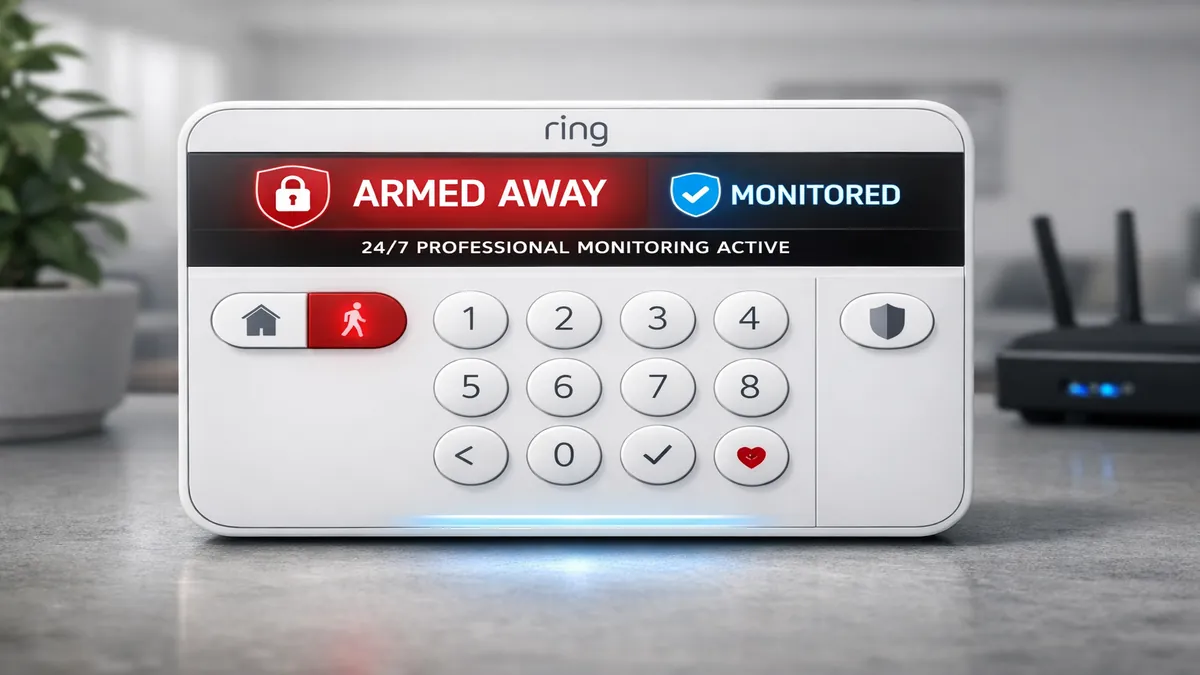
The Ring Alarm Pro elevates home security by integrating a powerful Eero Wi-Fi 6 router directly into its base station. This innovative approach not only provides robust security monitoring but also enhances your home network's reliability and coverage. The built-in Eero router ensures that all your Ring devices, and indeed your entire smart home, benefit from a strong and stable internet connection, which is crucial for seamless operation and rapid alert delivery. A standout feature is the 24/7 backup internet (with a Ring Protect Pro subscription), which keeps your security system online even if your primary internet service goes down, offering an unparalleled layer of protection.
Installation of the Ring Alarm Pro is designed for DIY enthusiasts, with clear instructions and an intuitive app-guided setup process. The system offers both self-monitoring and professional monitoring options, allowing users to choose the level of oversight that best suits their needs. With professional monitoring, trained agents respond to alarms and dispatch emergency services if necessary. The Ring ecosystem is vast, offering a wide array of compatible sensors, cameras, and accessories, all controllable through the Ring app. This allows for a highly customizable security solution, from contact sensors and motion detectors to flood and freeze sensors. Its deep integration with Amazon Alexa enables voice control and advanced routines, making it a central hub for your smart home security.
Pros:
- Integrated Eero Wi-Fi 6 router for enhanced network performance.
- 24/7 backup internet ensures continuous security (with subscription).
- Flexible self-monitoring and professional monitoring options.
- Extensive ecosystem of compatible Ring devices and sensors.
- Easy DIY installation and seamless Alexa integration.
Cons:
- Full benefits, especially backup internet, require a Ring Protect Pro subscription.
- Higher initial cost compared to basic DIY systems.
Specifications:
- Connectivity: Wi-Fi 6 (Eero built-in), Z-Wave, Bluetooth
- Monitoring: Self-monitoring, optional 24/7 professional monitoring
- Power: Wired (with battery backup)
- Compatibility: Ring ecosystem, Amazon Alexa
- Included Components (Pro 8-piece kit): Base Station, Keypad, 4 Contact Sensors, Motion Detector, Range Extender
Verdict: The Ring Alarm Pro is an exceptional choice for homeowners seeking a comprehensive and highly connected security solution. Its unique integration of a Wi-Fi 6 router and backup internet capabilities provides superior reliability, making it a top-tier option for those who prioritize uninterrupted protection and a robust smart home network.
2. SimpliSafe 9-Piece
The SimpliSafe 9-Piece system is renowned for its no-contract professional monitoring and straightforward DIY installation, making it an attractive option for those who want robust security without long-term commitments. The system is designed for ease of use from the moment you unbox it, with components that are clearly labeled and simple to set up. There's no need for drilling or complex wiring; most sensors attach with adhesive, allowing for quick and flexible placement throughout your home. This makes SimpliSafe particularly appealing to renters or those who prefer not to alter their living space permanently.
SimpliSafe offers a comprehensive suite of sensors, including entry sensors, motion detectors, glass break sensors, and even environmental sensors for smoke, CO, and water leaks. The 9-piece kit provides a solid foundation for securing a medium-sized home, offering ample coverage for doors, windows, and main living areas. While professional monitoring is optional, it's a key selling point, providing 24/7 dispatch of emergency services without locking you into a lengthy contract. The system also features secret alerts, which notify you of activity without triggering a full alarm, useful for monitoring specific areas discreetly. Integration with Amazon Alexa and Google Assistant allows for convenient voice control, letting you arm or disarm your system with simple commands.
Pros:
- No-contract professional monitoring options.
- Extremely easy DIY installation with no drilling required.
- Wide range of security and environmental sensors available.
- Secret alerts for discreet monitoring.
- Good compatibility with Alexa and Google Assistant.
Cons:
- Some advanced features, like camera recording, require a monitoring plan.
- Cameras are sold separately and are not as advanced as some competitors.
Specifications:
- Connectivity: Wi-Fi, Cellular (with monitoring plan)
- Monitoring: Self-monitoring, optional 24/7 professional monitoring
- Power: Wired (Base Station), Battery (sensors)
- Compatibility: Amazon Alexa, Google Assistant
- Included Components (9-piece kit): Base Station, Keypad, 4 Entry Sensors, 2 Motion Sensors, Siren, Keyfob
Verdict: The SimpliSafe 9-Piece system is an excellent choice for those seeking a flexible, easy-to-install, and reliable home security solution without the burden of long-term contracts. Its comprehensive sensor options and optional professional monitoring make it a strong contender for homeowners and renters alike who prioritize straightforward security.
3. Arlo System
The Arlo System distinguishes itself with a strong focus on advanced camera technology and flexible surveillance options, making it ideal for users who prioritize video monitoring as a core component of their home security. While Arlo offers a range of security systems, the typical Arlo setup revolves around its high-resolution cameras, such as the Arlo Pro series, which provide crystal-clear video, often in 2K or 4K HDR. These cameras come equipped with features like color night vision, integrated spotlights, and sirens, offering both passive monitoring and active deterrence against intruders.
Arlo systems are designed for DIY installation, with wire-free camera options that run on rechargeable batteries, allowing for versatile placement both indoors and outdoors. The system typically includes a SmartHub, which acts as a central control unit, providing local storage options (via microSD card) and extending Wi-Fi range for cameras. This local storage capability is a significant advantage for users who want to avoid continuous cloud subscription fees. The two-way audio feature on Arlo cameras enables clear communication with visitors or allows you to warn off unwanted guests. Integration with Amazon Alexa and Google Assistant is seamless, allowing for voice control and the ability to view camera feeds on compatible smart displays. Arlo also offers optional professional monitoring services for an added layer of security.
Pros:
- Superior video quality with 2K/4K HDR, color night vision, and wide fields of view.
- Wire-free camera options with long-lasting rechargeable batteries.
- Local storage capability via SmartHub reduces reliance on cloud subscriptions.
- Integrated spotlights and sirens for active deterrence.
- Flexible self-monitoring and optional professional monitoring.
Cons:
- Full feature set and cloud storage often require an Arlo Secure subscription.
- Higher initial investment for multiple high-end cameras.
Specifications:
- Connectivity: Wi-Fi, Proprietary (between cameras and SmartHub)
- Monitoring: Self-monitoring, optional 24/7 professional monitoring
- Power: Battery (cameras), Wired (SmartHub)
- Compatibility: Arlo ecosystem, Amazon Alexa, Google Assistant
- Included Components (Example): SmartHub, 2-3 Arlo Pro 5S Cameras
Verdict: The Arlo System is an excellent choice for users who prioritize advanced video surveillance and flexible camera placement in their home security setup. Its high-resolution cameras, robust features, and local storage options provide a powerful and customizable solution for comprehensive visual monitoring.
4. Eufy System
The Eufy Security System stands out for its commitment to no monthly fees and privacy-focused features, making it a compelling alternative to subscription-based security solutions. At the heart of the Eufy system is the HomeBase, which acts as a central hub for all devices and provides local storage for video recordings, ensuring your footage remains private and accessible without recurring costs. Eufy cameras, often featuring 2K resolution and long battery life, are designed for easy DIY installation and can be placed virtually anywhere without the need for constant power outlets.
Eufy leverages on-device AI processing for intelligent detection of people, vehicles, and pets, reducing false alarms and ensuring that sensitive data is processed locally rather than in the cloud. This emphasis on local processing enhances both privacy and responsiveness. The system offers a range of sensors, including entry sensors and motion detectors, all managed through the intuitive Eufy Security app. The app allows for easy setup, customization of alerts, and viewing of live and recorded footage. While Eufy primarily focuses on self-monitoring, its robust local features provide a strong sense of security and control. Integration with Amazon Alexa and Google Assistant allows for convenient voice commands and basic smart home automations.
Pros:
- No monthly fees for video storage and advanced features.
- Local storage and on-device AI processing for enhanced privacy.
- High-resolution 2K cameras with long battery life.
- Easy DIY installation and comprehensive sensor options.
- Seamless integration with Alexa and Google Assistant.
Cons:
- No professional monitoring option.
- Limited third-party smart home integration compared to some competitors.
Specifications:
- Connectivity: Wi-Fi, Proprietary (between devices and HomeBase)
- Monitoring: Self-monitoring
- Power: Battery (cameras), Wired (HomeBase)
- Compatibility: Eufy ecosystem, Amazon Alexa, Google Assistant
- Included Components (Example): HomeBase, 2-3 EufyCam 3 Cameras, 2 Entry Sensors
Verdict: The Eufy Security System is an excellent choice for privacy-conscious users who want a robust home security solution without the burden of monthly fees. Its local storage, on-device AI, and high-quality cameras provide a powerful and self-sufficient system for comprehensive home protection.
5. ADT Self Setup
The ADT Self Setup system marks a significant shift for the long-standing security giant, offering a DIY-friendly approach to home security while retaining the option for professional monitoring from a trusted name. This system is designed for easy installation, allowing homeowners to set up their security system without the need for professional technicians. The components are wireless and connect to a central Smart Home Hub, which acts as the brain of the system. This flexibility makes ADT Self Setup accessible to a broader audience who prefer a hands-on approach to their home security.
One of the key advantages of ADT Self Setup is the ability to leverage ADT's extensive experience in professional monitoring. Users can choose to self-monitor their system or opt for 24/7 professional monitoring, providing peace of mind that their home is protected even when they're away. The system offers a range of sensors, including door/window sensors, motion detectors, and flood sensors, all designed to integrate seamlessly. It also boasts smart home integration capabilities, particularly with Google Nest devices and Amazon Alexa, allowing for a more connected and automated home security experience. This means you can control your security system, view camera feeds, and manage other smart devices all from a single app or with voice commands.
Pros:
- Trusted brand name with optional professional monitoring.
- Easy DIY installation for flexible setup.
- Good smart home integration with Google Nest and Amazon Alexa.
- Comprehensive range of security sensors.
- Flexible monitoring options (self or professional).
Cons:
- Professional monitoring comes with a monthly fee.
- Initial equipment costs can be higher than some pure DIY systems.
Specifications:
- Connectivity: Wi-Fi, Z-Wave
- Monitoring: Self-monitoring, optional 24/7 professional monitoring
- Power: Wired (Smart Home Hub), Battery (sensors)
- Compatibility: Google Nest, Amazon Alexa
- Included Components (Example): Smart Home Hub, Keypad, 2 Door/Window Sensors, Motion Sensor
Verdict: The ADT Self Setup system is an excellent hybrid solution, combining the convenience of DIY installation with the reliability and peace of mind of ADT's professional monitoring. It's a strong contender for those who want a trusted brand protecting their home but prefer the flexibility of setting up the system themselves.
How We Test Home Security Systems
At ATechGuides, our rigorous testing methodology for home security systems is designed to provide comprehensive, unbiased evaluations that reflect real-world performance and user experience. We understand that choosing a home security system is a significant decision, and our process focuses on key aspects that matter most to homeowners. Our testing involves several critical stages:
1. Installation and Setup Experience
We begin by assessing the ease of installation for each system. This involves unboxing the components, reviewing the provided instructions (both physical manuals and in-app guides), and physically setting up the entire system. We evaluate how straightforward it is to mount sensors, place cameras, and connect the main hub to the home network. For DIY systems, we pay close attention to the clarity of the step-by-step guidance and any challenges encountered during the process. We also assess the app-based setup and pairing process, looking for intuitive interfaces, clear prompts, and a smooth connection of all devices to the central hub. The goal is to determine how quickly and easily an average user can get the system up and running without professional assistance.
2. Performance and Reliability
Once installed, we rigorously test the system's core performance. This includes evaluating the responsiveness of sensors (e.g., how quickly a door/window sensor registers an opening, or a motion sensor detects movement). We test the speed and reliability of alarm triggers and the effectiveness of sirens. For systems with cameras, we assess video quality in various lighting conditions, night vision performance, and the accuracy of motion detection and person/vehicle identification. We also test the stability of the connection between components and the central hub, as well as the system's ability to maintain connectivity during power outages (if battery backup is available). The reliability of push notifications and alerts to smartphones is also a key focus, ensuring timely delivery of critical information.
3. Monitoring and Response
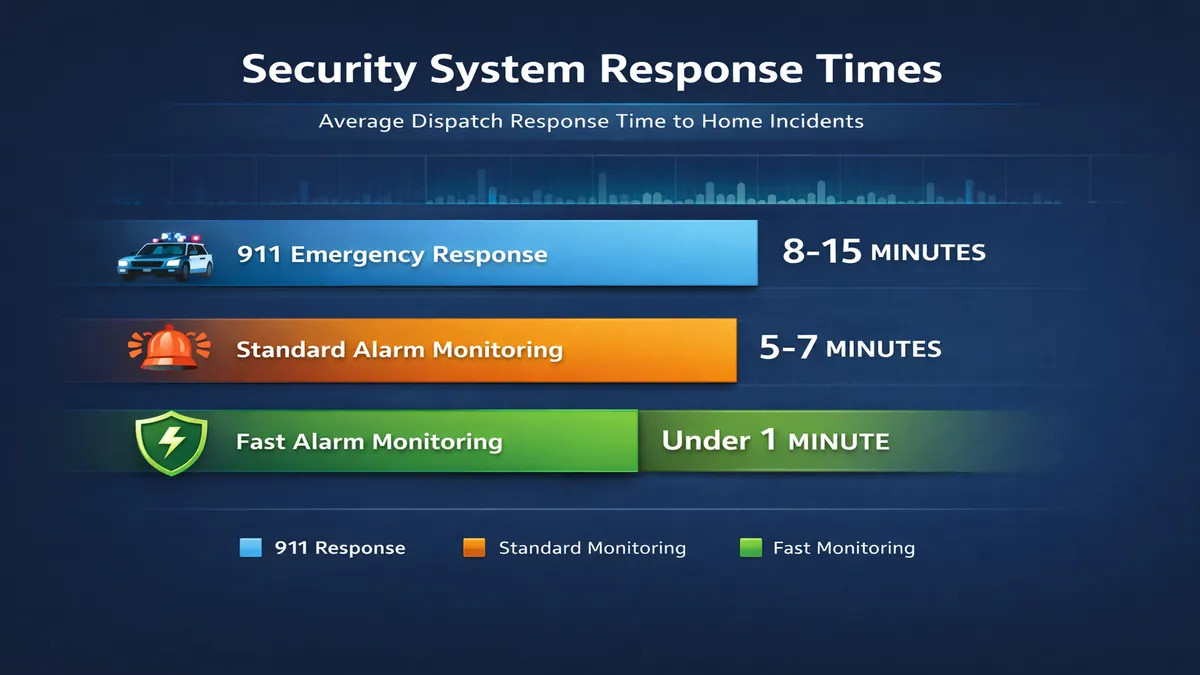
For systems offering professional monitoring, we evaluate the speed and efficiency of the monitoring center's response. This involves triggering alarms and observing how quickly the monitoring station contacts us and, if applicable, dispatches emergency services. We also assess the clarity of communication with monitoring agents. For self-monitored systems, we evaluate the effectiveness of the app's notification system and the ease with which users can verify alarms and contact emergency services themselves. We consider features like cellular backup (if available) to ensure the system remains operational even if the internet connection is lost, which is a critical aspect of reliable security.
4. Features and Smart Home Integration
We delve into the range of features offered by each security system. This includes evaluating the variety and effectiveness of available sensors (e.g., entry, motion, glass break, smoke, CO, flood). We test advanced functionalities such as geofencing, custom modes, and scheduling. A significant part of our evaluation focuses on smart home integration. We test compatibility with popular platforms like Amazon Alexa, Google Assistant, and Apple HomeKit, assessing how seamlessly the security system interacts with other smart devices (e.g., smart lights turning on when an alarm is triggered). We also examine the companion app's user interface, ease of managing settings, viewing event history, and controlling individual components.
5. Value and Cost of Ownership
Finally, we assess the overall value proposition of each system. This includes comparing the initial equipment cost against the features and components provided. We also carefully analyze the cost of ongoing monitoring plans (if applicable), noting any contract requirements, cancellation policies, and what features are included at each tier. We consider the cost of additional sensors or cameras and how these impact the long-term investment. Our goal is to determine which systems offer the best balance of features, performance, and affordability, providing clear recommendations for different budgets and security needs.
FAQ
Q: Is professional monitoring necessary for a home security system?
A: Professional monitoring is not strictly necessary, as many DIY systems offer self-monitoring options where you receive alerts directly on your smartphone. However, professional monitoring provides an added layer of security by having a dedicated team respond to alarms and dispatch emergency services on your behalf, even if you're unavailable or unable to respond. It offers peace of mind and can be crucial in critical situations. The decision often comes down to personal preference, budget, and how much hands-on management you're comfortable with. [1]
Q: Can home security systems be hacked?
A: While modern home security systems employ robust encryption and security protocols, no system is entirely immune to hacking. However, the risk is generally low for reputable brands that regularly update their firmware and security measures. To minimize risks, use strong, unique passwords for your accounts, enable two-factor authentication, keep your system's software updated, and secure your home Wi-Fi network. Physical vulnerabilities, such as easily accessible sensors or cameras, can also be exploited, so proper installation is key. [2]
Q: What happens to my security system during a power outage?
A: Most modern home security systems are designed with battery backup for the main hub or base station, allowing them to continue functioning for several hours during a power outage. Many systems also offer cellular backup (often with a professional monitoring plan) to ensure communication with the monitoring center or your smartphone remains uninterrupted even if your internet connection goes down. It's important to check the specifications of your chosen system to understand its power outage capabilities and ensure continuous protection. [3]
Q: How do I choose the right home security system for my needs?
A: Choosing the right system depends on several factors. Consider your budget, whether you prefer DIY installation or professional installation, and if you want self-monitoring or professional monitoring. Evaluate the size of your home and the types of sensors you need (e.g., door/window, motion, glass break, environmental). Think about camera needs (indoor/outdoor, resolution, features like color night vision). Also, consider smart home integration with your existing devices (Alexa, Google Assistant, HomeKit). Reading reviews and comparing features of top systems can help you make an informed decision. [4]
Related Articles
- Best Smart Home Security Cameras in 2026
- Best Video Doorbells in 2026
- Best Smart Locks in 2026: Keyless & Secure
- Best Smart Home Starter Kits in 2026
- Best Smart Plugs in 2026
References
[1] Professional vs. DIY Home Security Monitoring - https://www.safewise.com/blog/professional-vs-diy-home-security-monitoring/
[2] Can Home Security Systems Be Hacked? - https://www.security.org/home-security-systems/can-be-hacked/
[3] What Happens to Your Security System During a Power Outage? - https://www.adt.com/resources/what-happens-to-your-security-system-during-a-power-outage
[4] How to Choose a Home Security System - https://www.consumerreports.org/home-garden/home-security/how-to-choose-a-home-security-system-a1004690370/