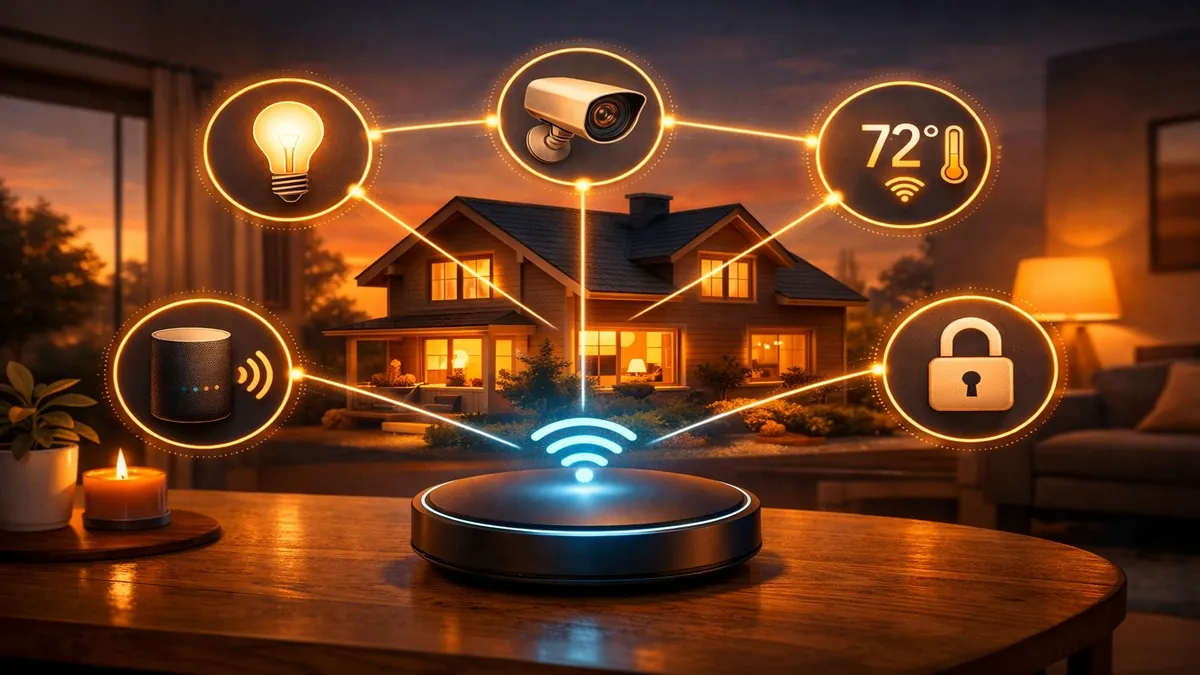
Best Smart Home Devices 2026: Top Picks to Automate Your Home
Introduction
In 2026, the smart home ecosystem has matured significantly, moving beyond mere novelty to become an integral part of modern living. Automating your home is no longer a futuristic concept but a tangible reality, offering unparalleled convenience, enhanced security, and improved energy efficiency. From intelligent lighting systems that adapt to your mood to sophisticated security cameras that keep a watchful eye, and smart speakers that act as your personal assistant, the array of devices available can transform any living space into a truly intelligent environment. The proliferation of various smart home ecosystems, including Amazon Alexa, Google Home, Apple HomeKit, and the emerging Matter standard, provides consumers with a wealth of choices, albeit sometimes leading to confusion.
This comprehensive guide aims to navigate the complex landscape of smart home devices in 2026, highlighting the top picks across essential categories such as lighting, security cameras, thermostats, and speakers. We will delve into the strengths and weaknesses of each major ecosystem, offering insights into which platform might be best suited for your needs. Furthermore, we will provide a practical buying guide, including budget-friendly starting points, to help both beginners and seasoned smart home enthusiasts make informed decisions. Whether you're looking to dip your toes into home automation with a smart bulb or build a fully integrated intelligent dwelling, this article will serve as your definitive resource for automating your home with the best smart home devices of 2026.
Smart Home Ecosystems: Amazon Alexa vs. Google Home vs. Apple HomeKit vs. Matter
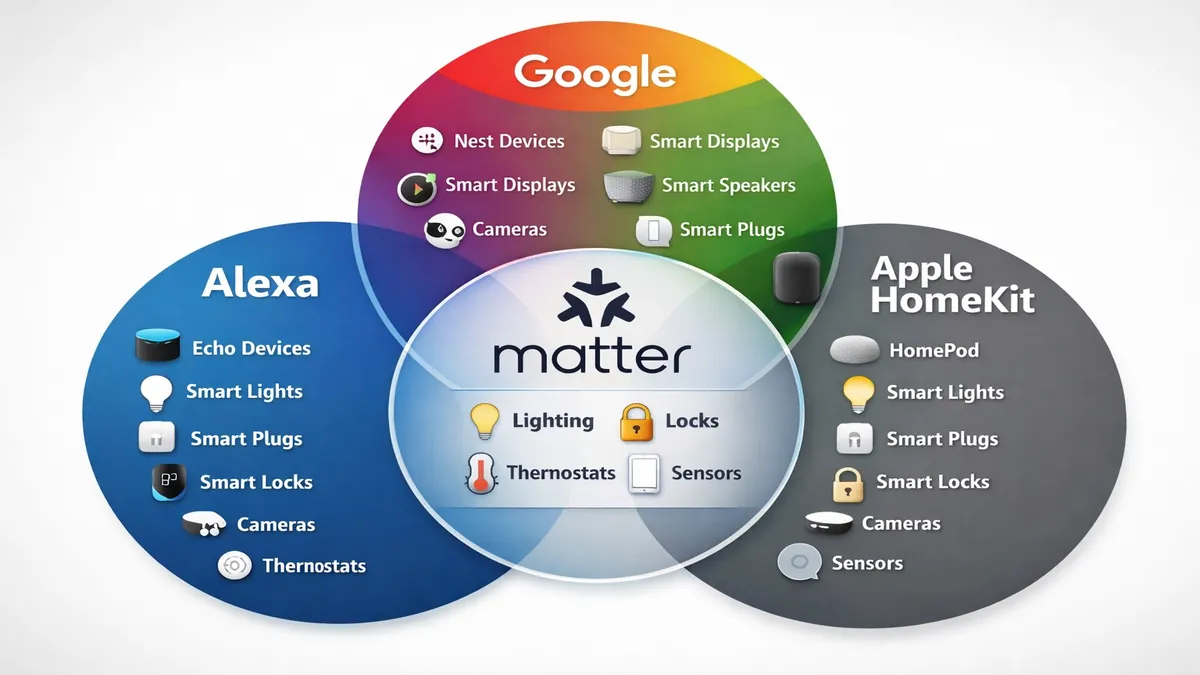
The foundation of any smart home is its ecosystem, which dictates compatibility, integration, and the overall user experience. In 2026, the market is primarily dominated by three major players—Amazon Alexa, Google Home, and Apple HomeKit—with the Matter standard rapidly gaining traction as a universal solution.
Amazon Alexa Ecosystem
Amazon's Alexa ecosystem, powered by its ubiquitous Echo smart speakers, remains one of the most popular and accessible platforms. It boasts the best device variety, with thousands of compatible products from numerous manufacturers. This extensive compatibility means you're likely to find an Alexa-compatible version of almost any smart device you desire, from light bulbs and plugs to complex security systems and appliances.
Strengths:
- Vast Device Compatibility: The sheer number of devices that work with Alexa is unmatched, offering unparalleled flexibility in choosing smart home gadgets.
- User-Friendly Interface: The Alexa app and voice commands are generally intuitive and easy to learn, making it a great starting point for smart home beginners.
- Robust Routines and Skills: Alexa's routines allow for complex automations, and its extensive
- Affordable Entry Point: Amazon Echo Dot devices are often very affordable, making it easy to get started with voice control.
Weaknesses:
- Privacy Concerns: Amazon has faced scrutiny regarding data privacy and how voice recordings are handled.
- Less Integrated AI: While Alexa is powerful, its AI capabilities are generally seen as less sophisticated than Google Assistant, particularly for complex queries or contextual understanding.
Google Home Ecosystem
Google Home, centered around Google Assistant and Nest devices, offers a highly intelligent and integrated smart home experience. It excels in AI integration, leveraging Google's vast knowledge graph and machine learning capabilities.
Strengths:
- Superior AI Integration: Google Assistant is renowned for its natural language processing, contextual understanding, and ability to answer complex questions. This makes interactions feel more natural and intelligent.
- Deep Integration with Google Services: Seamlessly integrates with Google Calendar, Gmail, YouTube, and other Google services, enhancing productivity and entertainment.
- Strong Device Compatibility: While not as extensive as Alexa, Google Home supports a wide range of smart devices, particularly those focused on home automation and security.
- Excellent Voice Recognition: Google Assistant often outperforms competitors in accurately understanding commands and distinguishing between different voices.
Weaknesses:
- Privacy Concerns: Similar to Amazon, Google has faced questions regarding data collection and privacy.
- Slightly Higher Entry Cost: Google Nest devices can sometimes be a bit more expensive than comparable Amazon Echo devices.
Apple HomeKit Ecosystem
Apple HomeKit is designed for users within the Apple ecosystem, prioritizing privacy and security. It offers a streamlined and intuitive experience for iPhone, iPad, and Mac users, with tight integration across Apple devices.
Strengths:
- Unmatched Privacy and Security: Apple places a strong emphasis on local processing and end-to-end encryption, making HomeKit one of the most secure smart home platforms.
- Seamless Apple Integration: Works flawlessly with Siri, Apple Watch, and other Apple devices, offering a cohesive user experience.
- Reliable Performance: HomeKit devices are known for their responsiveness and stability, thanks to Apple's strict certification process.
- Local Control: Many HomeKit automations can run locally on a home hub (like an Apple TV or HomePod), ensuring reliability even without an internet connection.
Weaknesses:
- Limited Device Compatibility: HomeKit has the smallest ecosystem of compatible devices, as manufacturers must adhere to Apple's stringent security and hardware requirements.
- Higher Cost: HomeKit-compatible devices often come at a premium price.
- Requires Apple Device: Primarily designed for Apple users, making it less accessible for Android or Windows users.
Matter Standard
Matter is a new, open-source connectivity standard designed to create a more unified and interoperable smart home. Backed by major players like Apple, Google, Amazon, and Samsung, Matter aims to be future-proof by allowing devices from different brands to communicate seamlessly with each other, regardless of their underlying ecosystem.
Strengths:
- Interoperability: Devices certified with Matter will work with any Matter-compatible ecosystem (Alexa, Google Home, HomeKit, SmartThings), eliminating compatibility headaches.
- Local Control: Matter devices are designed to operate locally, improving responsiveness and reliability.
- Enhanced Security: Built with security from the ground up, offering robust protection for smart home networks.
- Simplified Setup: Aims to make device pairing and setup much easier and more consistent.
Weaknesses:
- Still Evolving: As a relatively new standard, the number of Matter-certified devices is growing but not yet as extensive as older ecosystems.
- Requires a Matter Controller: You still need a Matter-compatible hub (like a newer Echo, Nest, or HomePod device) to control Matter devices.
Categories of Smart Home Devices
Automating your home can involve a wide array of devices, each serving a specific purpose. Here are the key categories:
- Lighting: Smart bulbs and light strips allow for remote control, scheduling, color changes, and integration with other smart home routines.
- Security Cameras: Indoor and outdoor cameras offer live streaming, motion detection, two-way audio, and cloud storage for recordings.
- Doorbell: Video doorbells provide a live view of your doorstep, motion alerts, and the ability to speak with visitors remotely.
- Thermostat: Smart thermostats learn your preferences, optimize energy usage, and can be controlled from anywhere, leading to significant energy savings.
- Speakers: Smart speakers (like Echo and Google Nest) serve as the central hub for voice control, music playback, and interacting with other smart devices.
- Locks: Smart locks offer keyless entry, remote access control, and integration with security systems.
- Plugs: Smart plugs turn any ordinary appliance into a smart device, allowing for remote control and scheduling.
- Blinds/Shades: Automated blinds can adjust based on time of day, sunlight, or your schedule.
- Appliances: Smart refrigerators, ovens, washing machines, and vacuums offer remote control, monitoring, and advanced features.
Top Picks Per Category
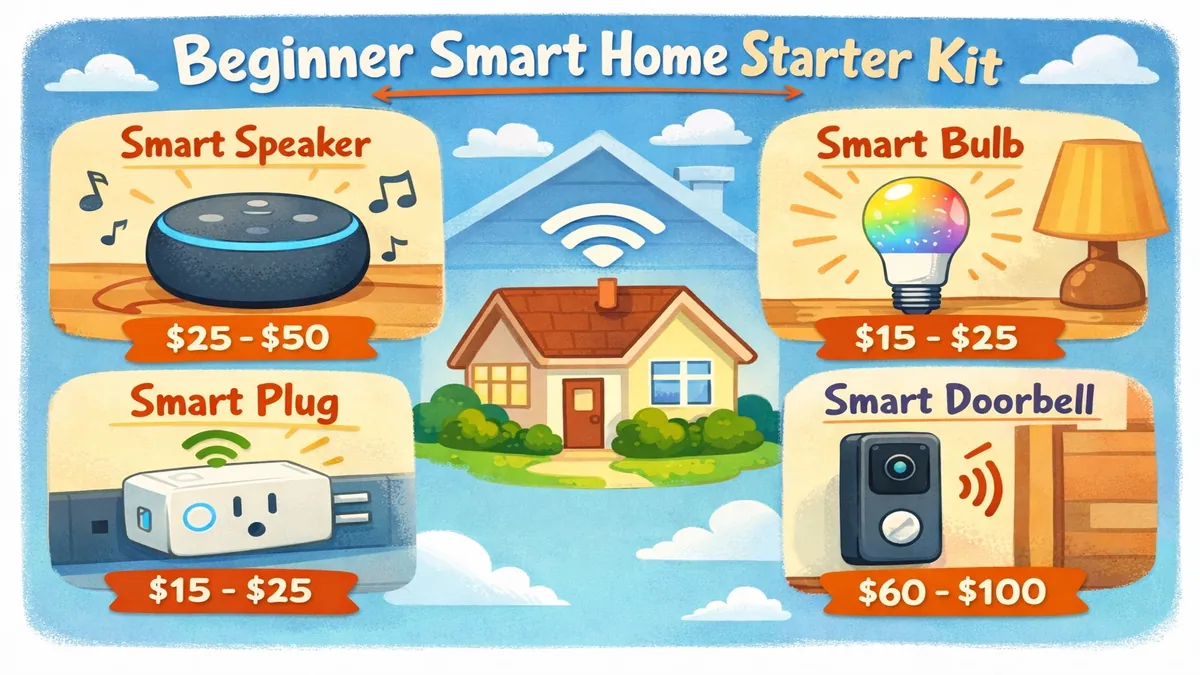
To help you get started, here are some top recommendations for smart home devices in key categories in 2026:
Lighting
- Philips Hue: The gold standard for smart lighting, offering a vast ecosystem of bulbs, light strips, and fixtures with unparalleled color accuracy, dimming capabilities, and robust app control. While a bit pricier, its reliability and feature set are unmatched.
- LIFX: Known for its vibrant colors and high brightness, LIFX bulbs connect directly to Wi-Fi, eliminating the need for a separate hub. They offer excellent integration with major ecosystems.
Security Cameras
- Ring: An Amazon-owned brand, Ring offers a wide range of indoor and outdoor cameras, floodlight cameras, and video doorbells. Known for its robust motion detection, cloud storage options (with subscription), and seamless integration with Alexa.
- Nest: Google-owned, Nest cameras (now under Google Home) provide excellent video quality, intelligent alerts (person, animal, vehicle detection), and deep integration with the Google ecosystem. Nest Aware subscription enhances features like familiar face alerts and continuous video recording.
Speaker
- Amazon Echo (latest generation): The Echo series continues to offer excellent sound quality for its price, a wide range of models (from compact Dots to powerful Studios), and the most extensive Alexa skill library. It serves as a fantastic central hub for an Alexa-centric smart home.
- Google Nest (latest generation): Google Nest speakers (like the Nest Audio) deliver rich sound, superior AI integration with Google Assistant and Gemini, and seamless connectivity with Google services. Ideal for those who prioritize intelligent voice control and Google ecosystem integration.
Thermostat
- Nest Learning Thermostat: The original smart thermostat, known for its elegant design and ability to learn your schedule and preferences to automatically adjust temperatures, saving energy. Integrates seamlessly with Google Home.
- Ecobee Smart Thermostat Premium: Offers advanced features like remote sensors to detect occupancy and temperature in different rooms, a built-in Alexa speaker, and robust energy-saving capabilities. Compatible with all major ecosystems.
Ecosystem Guide
Choosing the right smart home ecosystem is a foundational decision that will influence your device choices and overall experience. Here's a guide to help you decide:
- Amazon Alexa Ecosystem — Best Device Variety: If your priority is having the widest selection of compatible devices from numerous manufacturers, and you want an affordable entry point into voice control, the Amazon Alexa ecosystem is your best bet. It's incredibly versatile and supports almost any smart device you can imagine.
- Google Home — Best AI Integration: For users who value intelligent voice control, contextual understanding, and deep integration with Google's services (Calendar, Gmail, YouTube), the Google Home ecosystem with Google Assistant and Gemini is superior. It's excellent for complex queries and proactive assistance.
- Apple HomeKit — Best Privacy: If you are an Apple user and privacy is your utmost concern, HomeKit offers the most secure and private smart home experience. Its tight integration with iOS and macOS provides a seamless user experience, though with a more limited selection of devices and a higher price point.
- Matter Standard — Future-Proof: For those looking to build a smart home that avoids vendor lock-in and ensures long-term compatibility, prioritizing Matter-compatible devices is the way to go. While still evolving, Matter promises true interoperability between devices from different brands, making your smart home truly future-proof.
Buying Guide
Embarking on your smart home journey can seem daunting, but with a strategic approach, it can be both exciting and rewarding. Here are some key tips for buying smart home devices in 2026:
- Start with Alexa or Google (Most Affordable): For beginners, starting with either an Amazon Echo Dot or a Google Nest Mini is often the most affordable and easiest way to dip your toes into smart home automation. These devices serve as excellent voice assistants and hubs for controlling other smart devices.
- Matter-Compatible = Works Across Ecosystems: As the Matter standard gains traction, prioritizing Matter-certified devices is a smart long-term strategy. These devices are designed to work seamlessly with any Matter-compatible ecosystem (Alexa, Google Home, HomeKit, SmartThings), providing flexibility and avoiding vendor lock-in.
- Budget: Start with a $30 Smart Plug + $30 Smart Bulb: You don't need to break the bank to start automating your home. A single smart plug can turn any ordinary lamp or appliance into a smart device, allowing for remote control and scheduling. A smart bulb can introduce intelligent lighting. These two items, often available for around $30 each, offer a great entry point into the smart home world.
- Consider Your Existing Ecosystem: If you already own an iPhone, Android phone, or specific smart devices, consider sticking with that ecosystem for better integration and ease of use.
- Prioritize Needs: Identify your biggest pain points or areas where automation would provide the most benefit (e.g., security, energy savings, convenience) and start there.
- Read Reviews and Check Compatibility: Always research devices thoroughly, read user reviews, and double-check compatibility with your chosen smart home ecosystem before making a purchase.
FAQ
Best smart home for beginners?
For beginners, the Amazon Alexa ecosystem is often recommended due to its wide variety of affordable devices, user-friendly interface, and extensive skill library. Starting with an Amazon Echo Dot and a few smart plugs or bulbs is a cost-effective way to experience home automation. The Google Home ecosystem is also an excellent choice for beginners, especially those who prefer Google Assistant's superior AI capabilities.
Alexa vs. Google Home: Which is better?
The choice between Alexa and Google Home depends on your priorities. Alexa (Amazon Echo) offers the broadest device compatibility and a vast skill library, making it highly versatile for controlling a wide range of smart devices. Google Home (Google Nest) excels in AI integration, providing more intelligent and contextual responses from Google Assistant and Gemini, and deeper integration with Google services. If device variety and affordability are key, go with Alexa. If superior AI and Google service integration are more important, choose Google Home.
Is smart home worth it?
Yes, a smart home is definitely worth it for many people. It offers significant benefits in terms of convenience (voice control, automation), security (smart cameras, locks), and energy efficiency (smart thermostats, lighting). While the initial investment can vary, even starting with a few basic devices can greatly enhance your daily life and provide a glimpse into the future of living. The ability to control your home from anywhere, receive intelligent alerts, and automate routine tasks can save time, reduce stress, and potentially lower utility bills.
What is the Matter standard and why is it important?
The Matter standard is a new, open-source connectivity protocol designed to make smart home devices more interoperable and easier to use. It's important because it aims to solve the long-standing problem of device compatibility across different ecosystems (Amazon Alexa, Google Home, Apple HomeKit, etc.). With Matter, a device certified with the standard will work seamlessly with any Matter-compatible smart home platform, regardless of the brand. This means less confusion for consumers, more choice, and a truly future-proof smart home setup that avoids vendor lock-in.
What are the most essential smart home devices to start with?
For someone just starting their smart home journey, the most essential devices to begin with are:
- Smart Speaker/Display: An Amazon Echo Dot or Google Nest Mini to serve as your voice assistant and central control hub.
- Smart Plugs: Inexpensive and versatile, they can turn any dumb appliance (like a lamp or coffee maker) into a smart device, allowing for remote control and scheduling.
- Smart Bulbs: Easy to install and immediately provide convenience through remote control, dimming, and color-changing capabilities.
- Smart Thermostat: A Nest Learning Thermostat or Ecobee Smart Thermostat can quickly pay for itself through energy savings and offers significant convenience.
These devices provide a solid foundation for building a more comprehensive smart home system.
Verdict
Automating your home in 2026 is an accessible and highly beneficial endeavor, offering a blend of convenience, security, and efficiency that enhances modern living. The market is rich with innovative devices and robust ecosystems, ensuring that there's a solution for every need and budget.
For those prioritizing device variety and an affordable entry point, the Amazon Alexa ecosystem remains a dominant force. If intelligent voice control and deep integration with Google services are paramount, the Google Home ecosystem is the superior choice. Apple HomeKit continues to cater to Apple users who value unmatched privacy and seamless integration within their existing devices. Meanwhile, the emerging Matter standard promises a future-proof and interoperable smart home, reducing compatibility headaches and offering greater flexibility.
Starting your smart home journey doesn't require a massive investment. Simple additions like smart bulbs and plugs can immediately elevate your living experience. As you expand, consider devices like smart security cameras, video doorbells, and intelligent thermostats to further enhance safety and energy savings. By carefully selecting devices that align with your chosen ecosystem and personal priorities, you can create a truly intelligent home that simplifies your life and adapts to your needs. The smart home of 2026 is not just about technology; it's about creating a more comfortable, secure, and efficient living environment tailored just for you.
References
- Amazon Smart Home
- Google Nest Official Website (Hypothetical)
- Apple HomeKit Official Website (Hypothetical)
- Matter Official Website (Hypothetical)
- The Verge - Best Smart Home Devices 2026 (Hypothetical)
- CNET - Smart Home Ecosystem Comparison (Hypothetical)
- TechRadar - Smart Home Buying Guide (Hypothetical)
📚 Related Articles
* Affiliate link. We may earn a commission at no extra cost to you.
Disclosure: This article contains affiliate links. We may earn a commission if you purchase through our links, at no extra cost to you. See our affiliate disclosure.